- You cannot add another "A group of ceramic vases by Arne Bang" to your cart. View cart
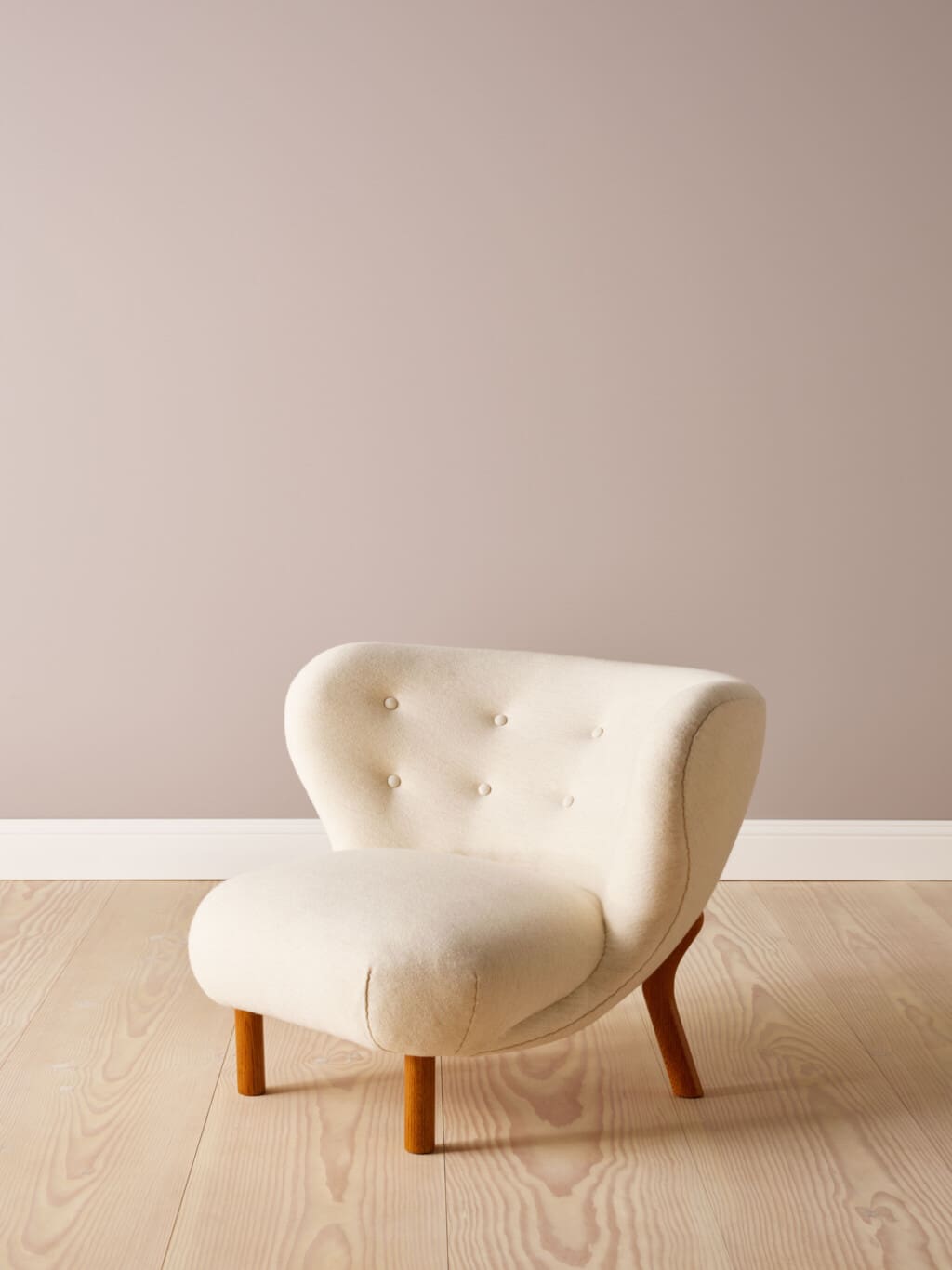
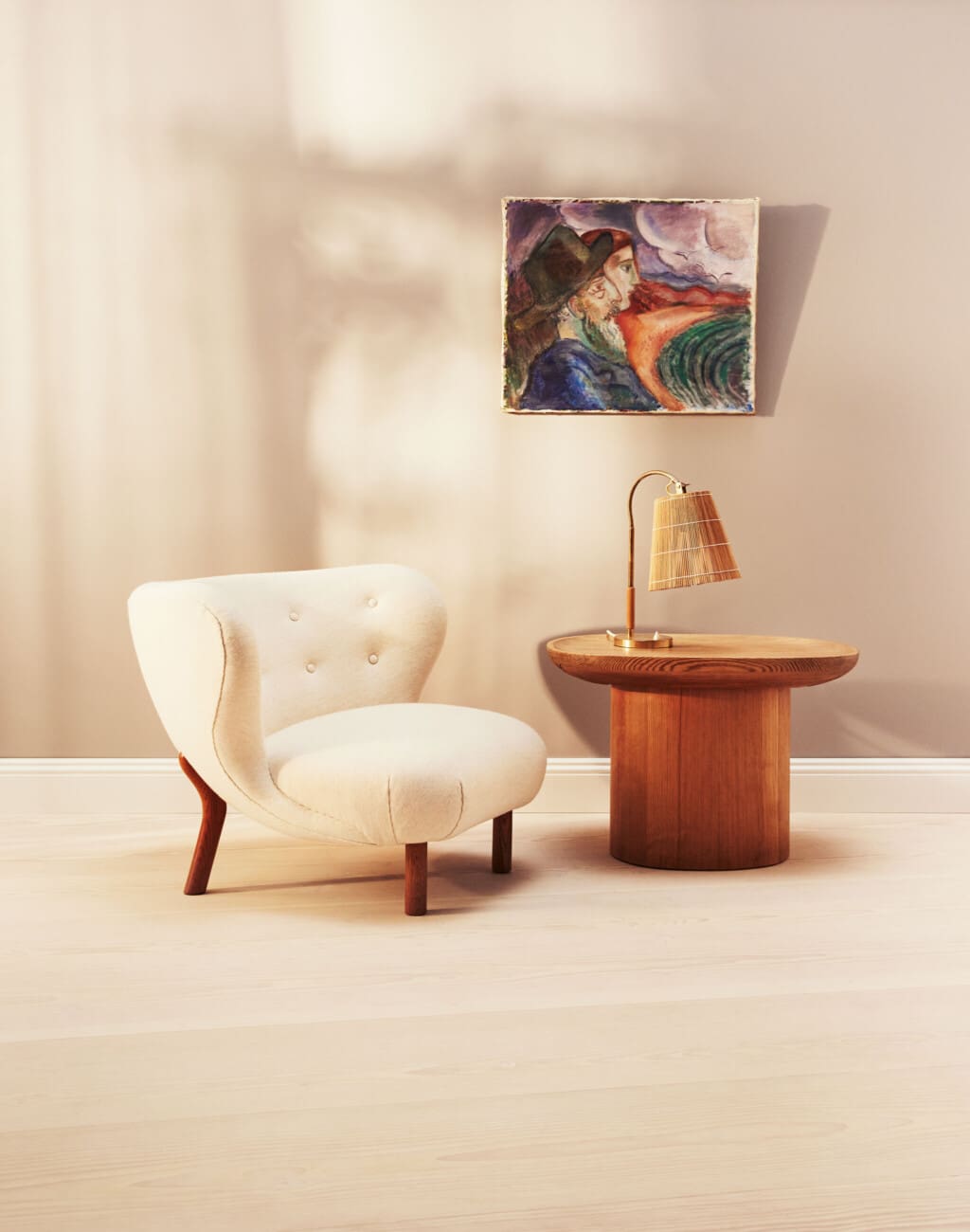
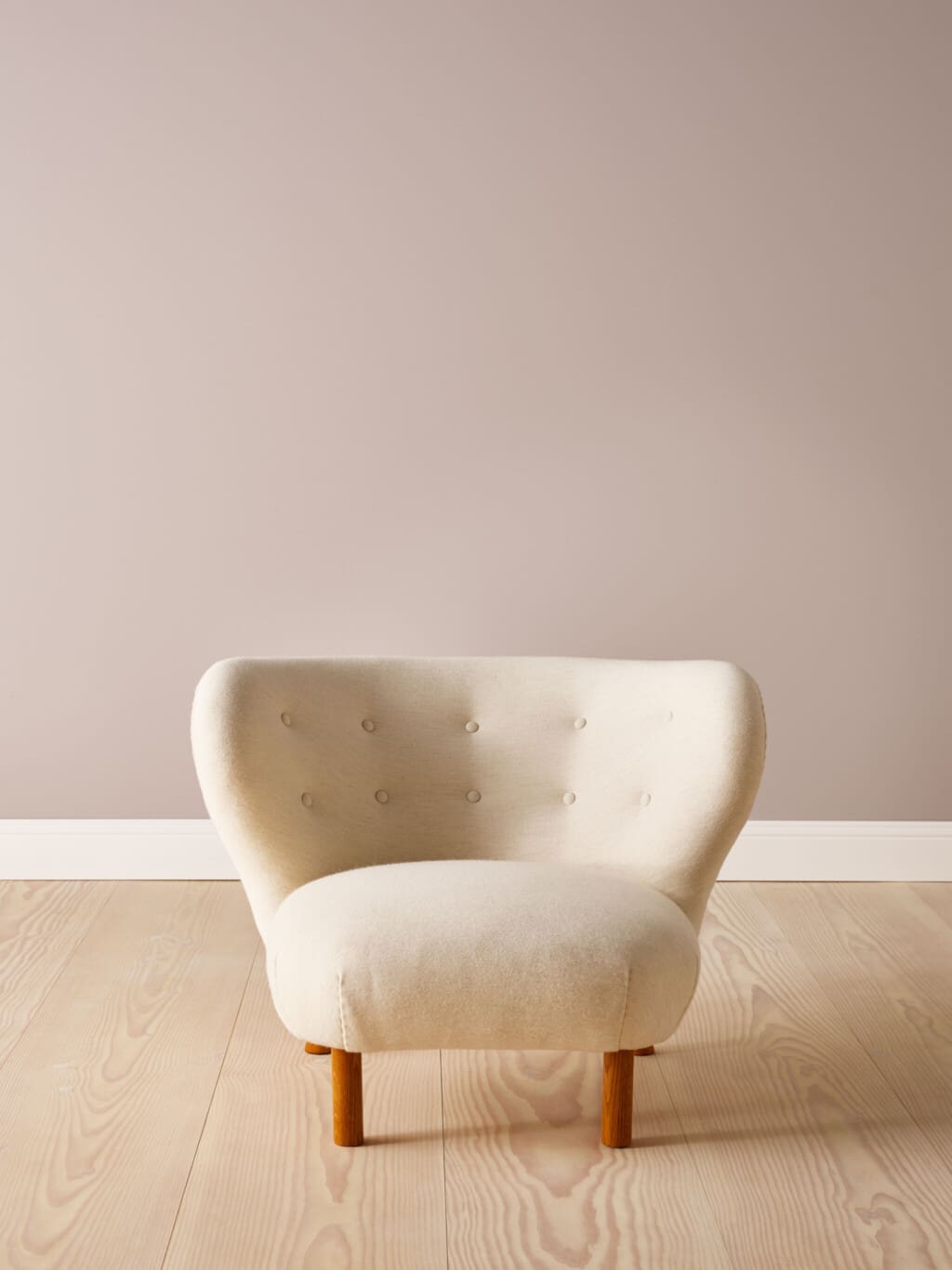
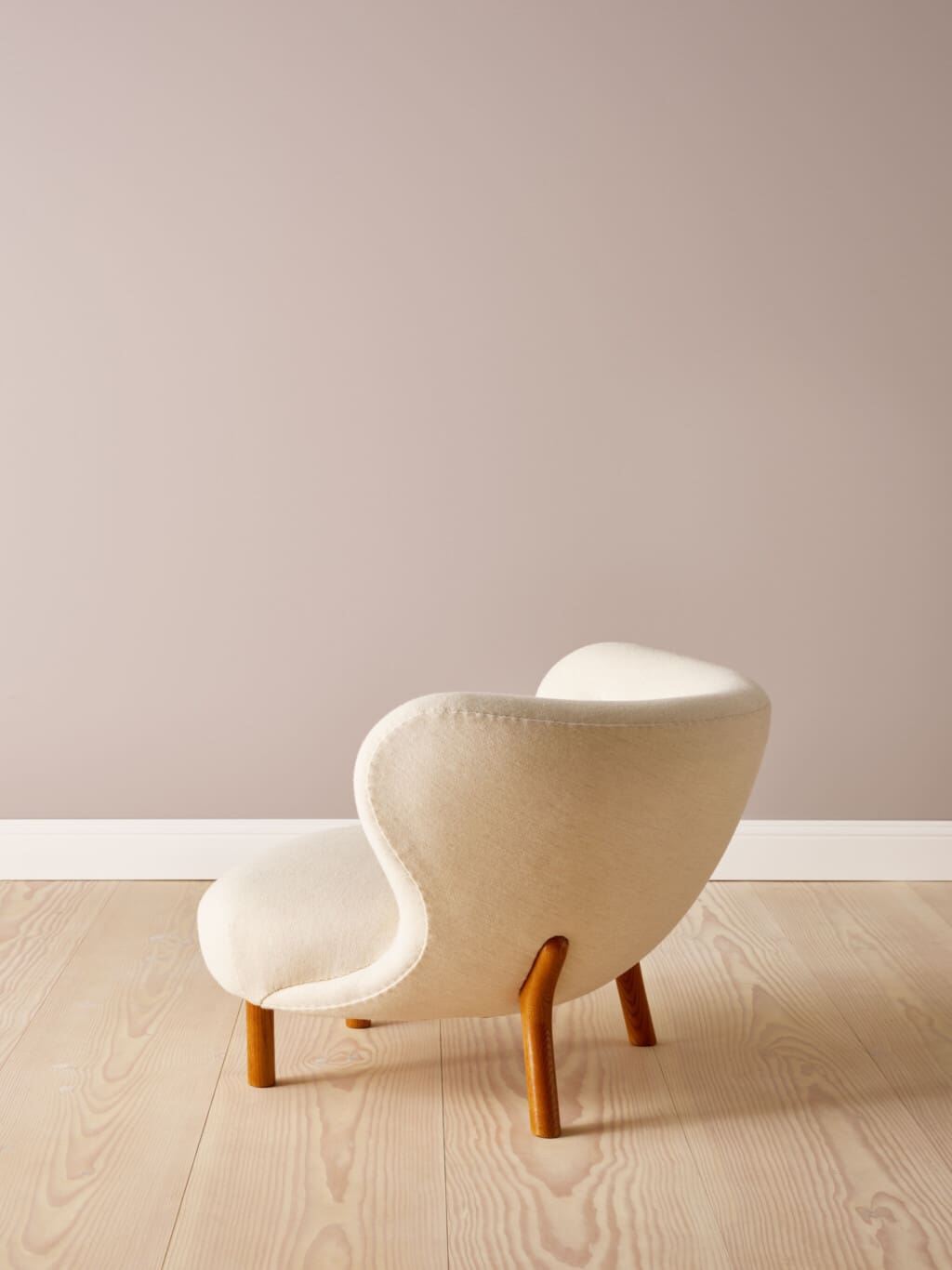
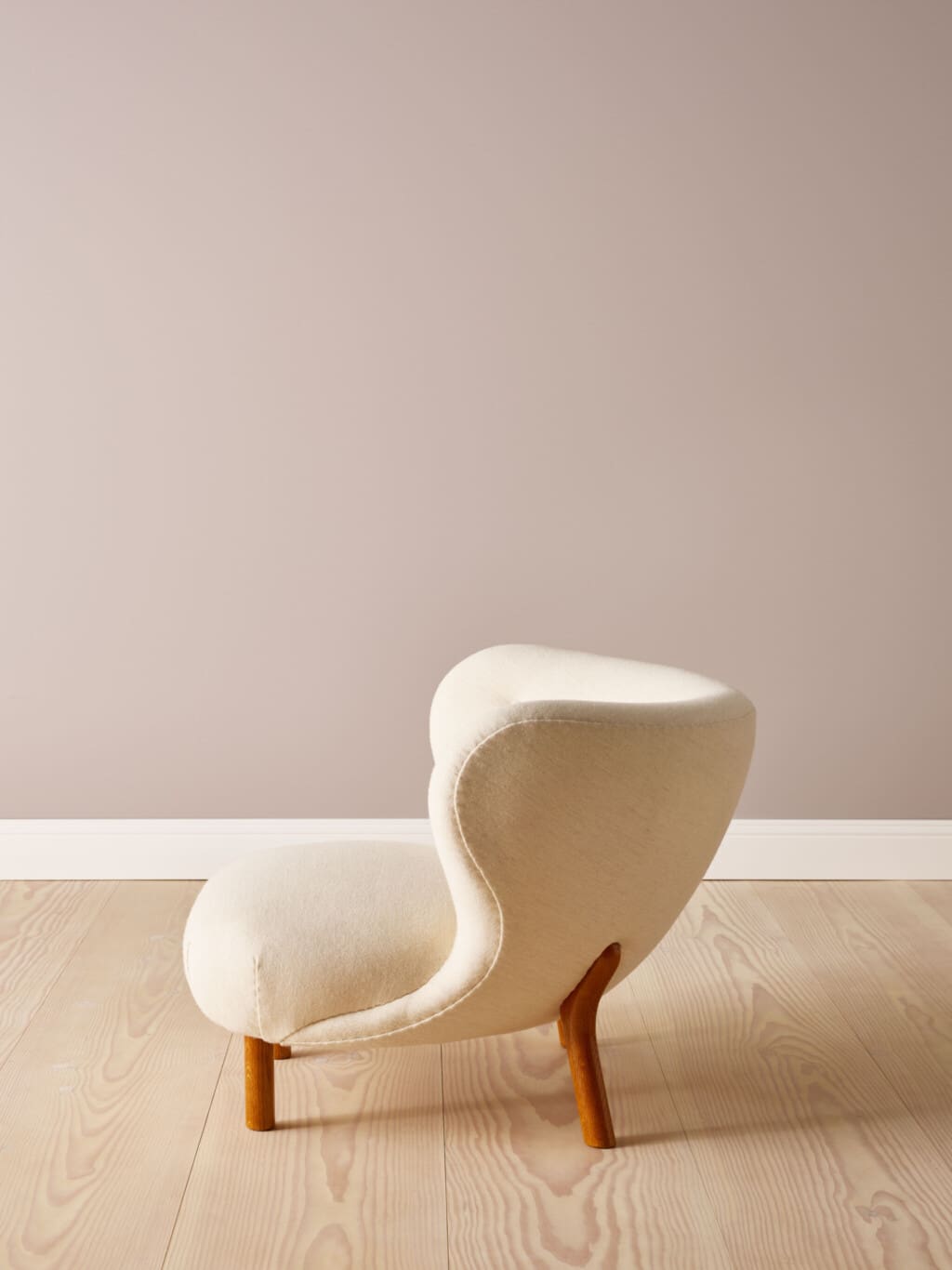
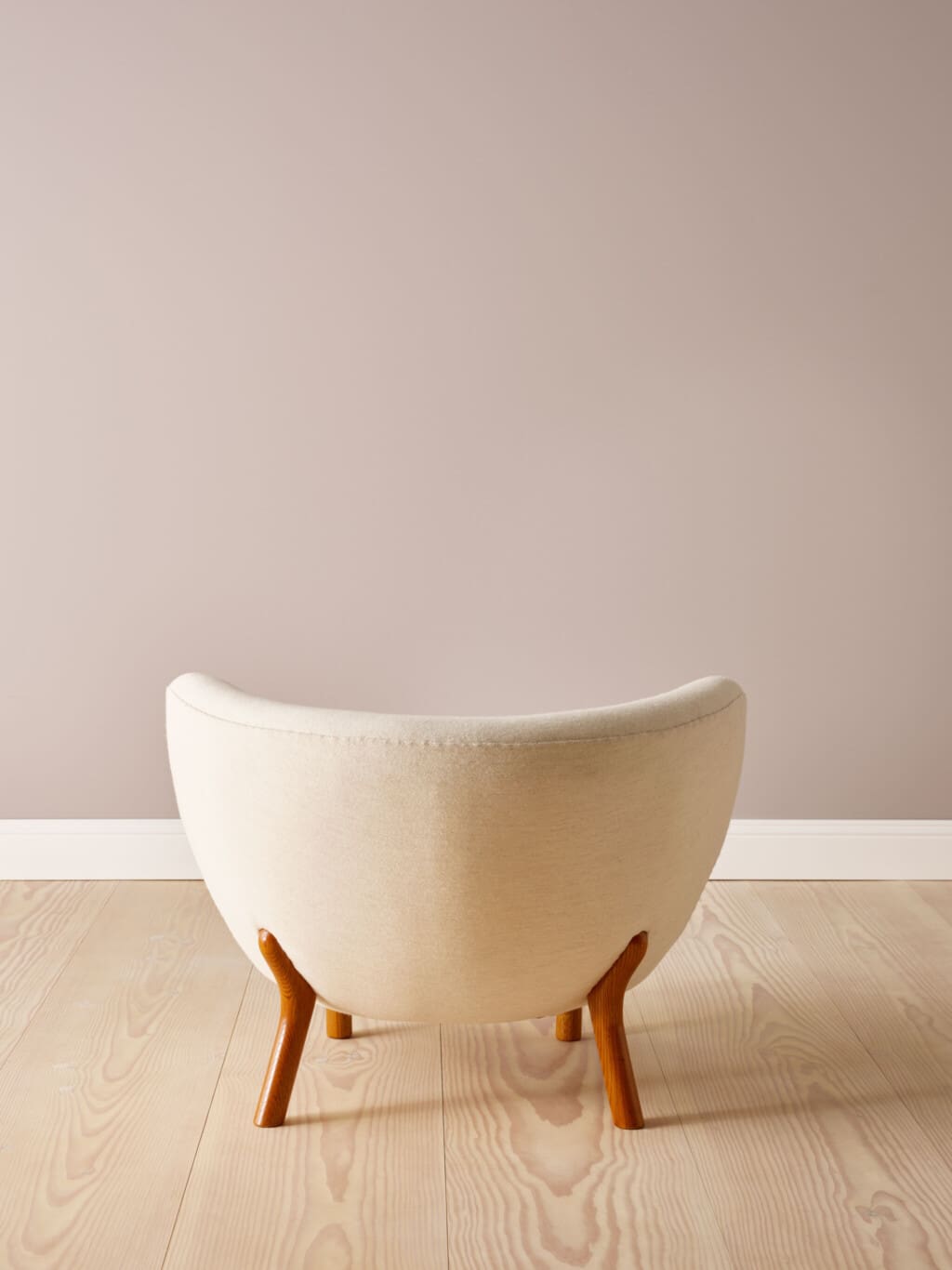
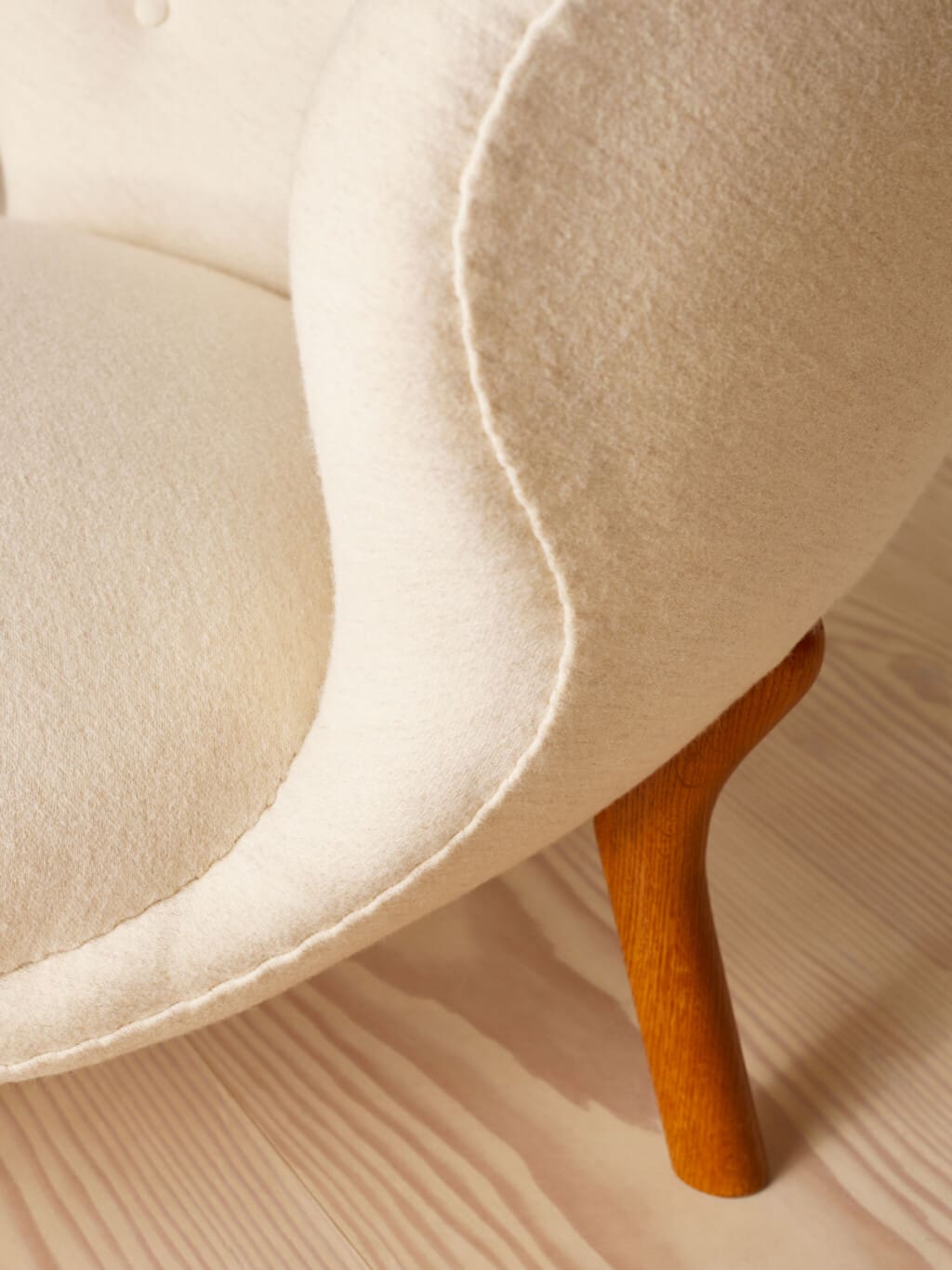
An original “Little Petra” easy chair by Viggo Boesen,1940’s
The Little Petra chair was first made for the Copenhagen Cabinetmakers Guild in 1938. Designed by Viggo Boesen, a Danish architect who wasn’t widely known at the time and was therefore nicknamed the “unknown Artisan“. His so-called “funkis” designs contributed to Denmark’s signature design aesthetic in the 1930’s and 1940’s. The Little Petra chair was in fact named after Boesen’s mother-in-law and is among his best and most desirable designs. Boesen underestimated the popularity of the Little Petra, and only a small numbers of the original chair was ever made. It was made to order and handcrafted by one of Denmark’s most respected cabinetmakers A.J. Iversen. The Little Petra”. Easy chair with oak legs. Seat and back upholstered with light wool, back fitted with buttons. Designed 1938. This example comes with oak legs and with the seat and back upholstered in a light-coloured fabric entitled ‘White ‘Savak’ fabric by Danish fabric experts Gabriel A/S., made in the 1940s by cabinetmaker A. J. Iversen.
43.400 USD

Viggo Boesen
Viggo Boesen (1907–1981) was a Danish architect and designer, best known for his work in furniture design, particularly his contributions to the mid-20th century Scandinavian modern style. He was part of the broader movement that defined Danish modernism, which emphasized simplicity, functionality, and the use of high-quality natural materials.
Boesen is most famous for designing the Pelikan chair (1938), a beautifully crafted lounge chair with a unique and organic shape. The design was notable for its flowing curves, which contrasted with the more angular lines typical of the time. The Pelikan chair, along with his other works, helped solidify Boesen's reputation as an important figure in Danish design.
In addition to furniture design, Viggo Boesen worked on various architectural projects, although his primary legacy remains in the realm of interior design and furnishings. He was deeply influenced by the functionalist principles of modernism, but his designs also showcased a distinct sense of warmth and comfort that became synonymous with Danish modern furniture.
Although Boesen's work may not be as widely recognized today as some of his contemporaries, such as Arne Jacobsen or Hans Wegner, his contributions were highly regarded within the Danish design community, and his pieces remain sought after by collectors and design enthusiasts.
More objects you might like
Prices are shown exclusive of any local taxes or duties that may apply.