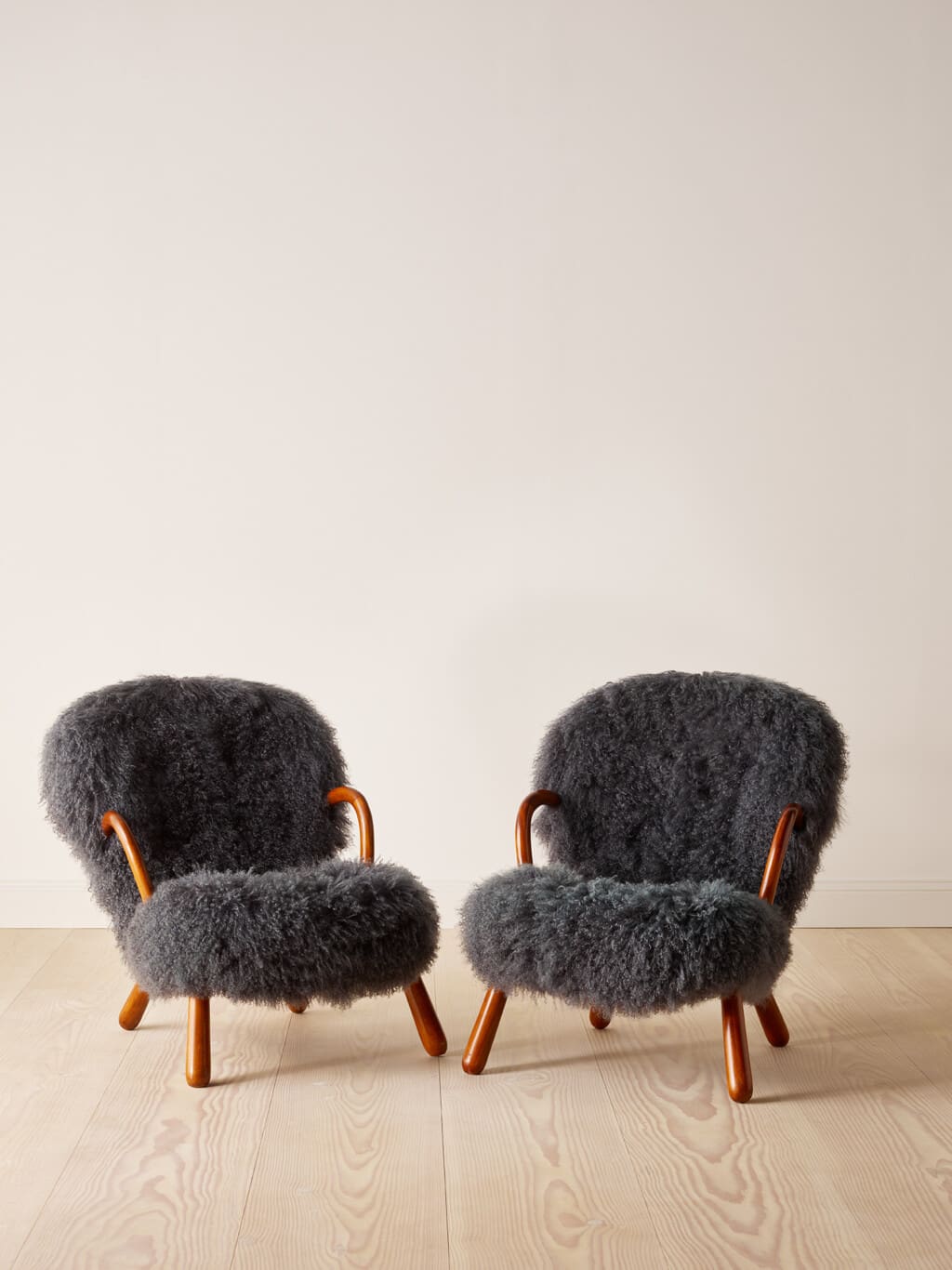
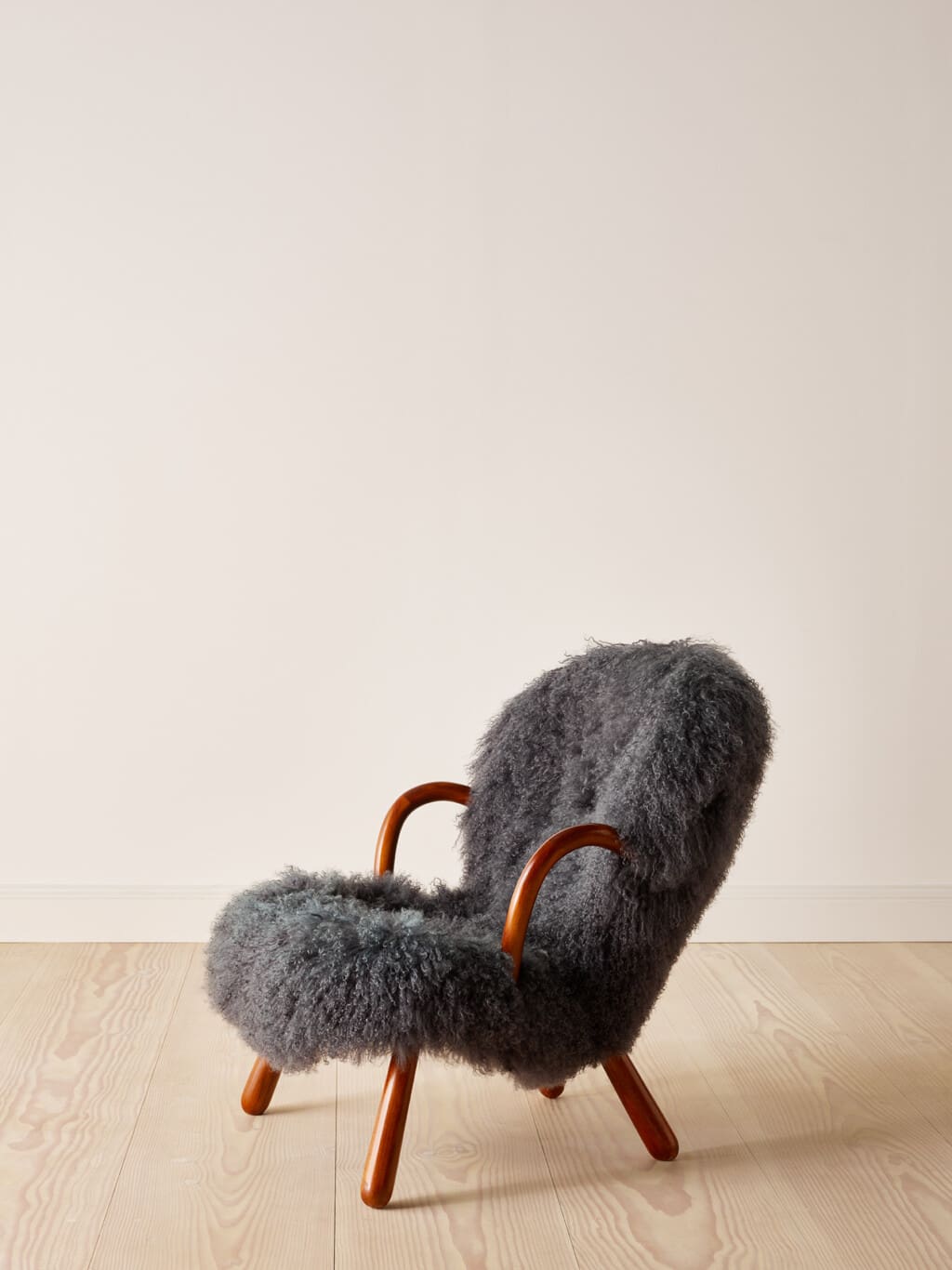
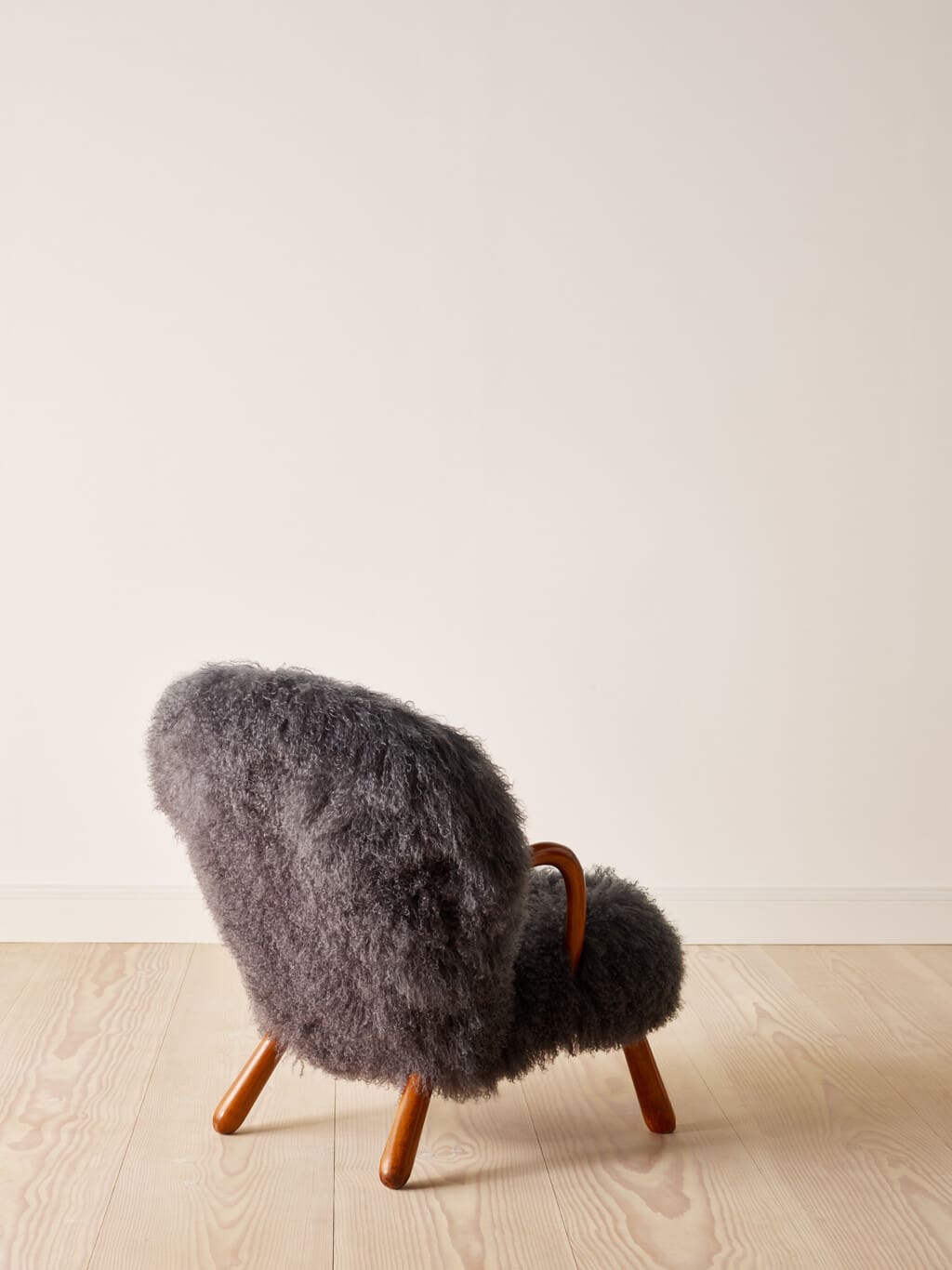
A pair of “Clam” chairs by Philip Arctander in grey long wool sheepskin
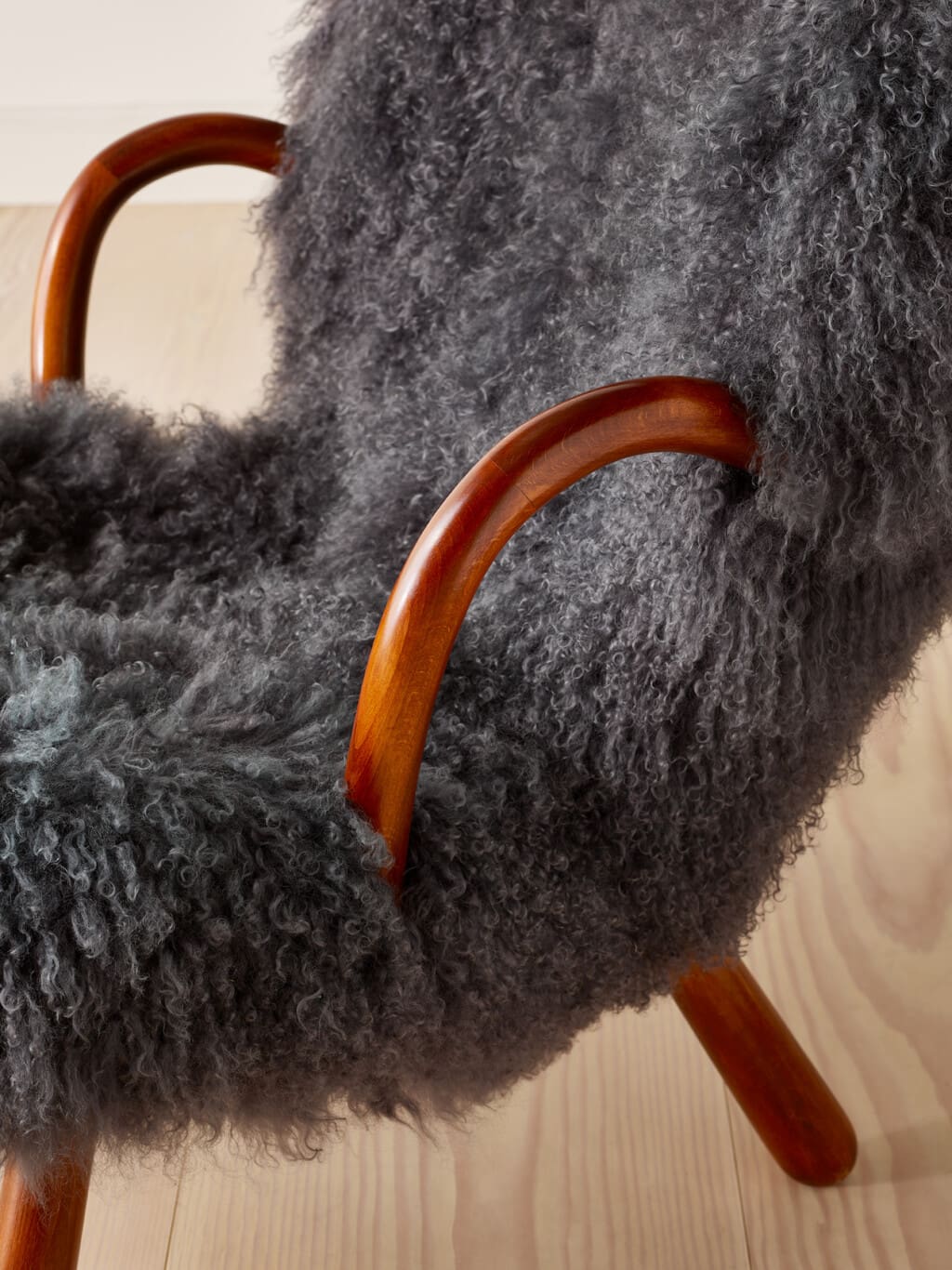
This modern classic was originally designed in 1944 by Danish architect Philip Arctander. The so called “Muslingestolen” or “Clam chair” was first produced by Nordisk Staal & Møbel Central in Denmark. This later version was produced under license by Vik & Blindheim in Norway, circa 1953, and is slightly larger than the original. The legs and armrests are made from beech wood and this particular pair is reupholstered in gray long wool sheepskin. Lately a dispute has arisen whether or not Arctander indeed did design these chairs, and recent evidence points towards Arnold Madsen, a Danish designer also active in the 1940’s-1950’s, being the true creator.
3.080.200 JPY
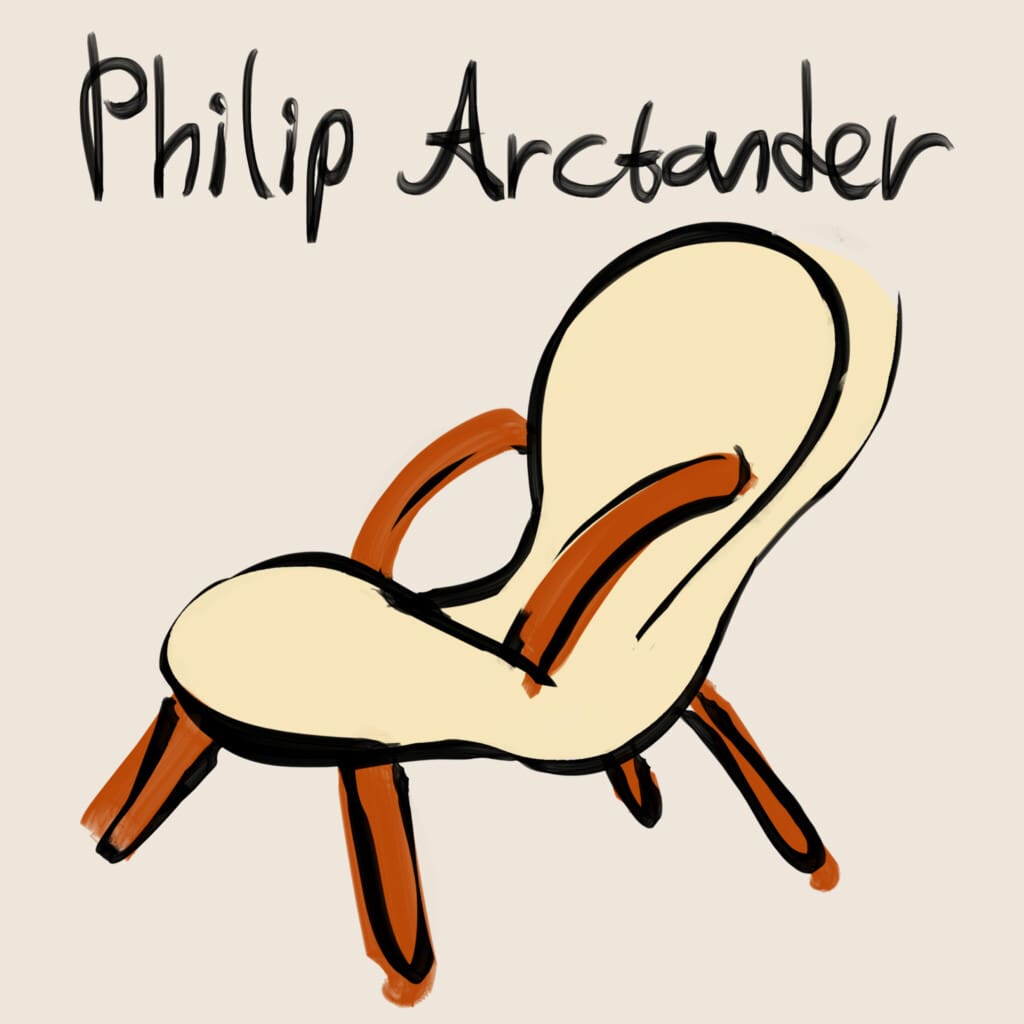
Philip Arctander
Philip Arctander (1903–1977) was a Danish architect and designer, best known for his contributions to modernist design, particularly in the field of furniture. He is often associated with the Danish mid-century modern movement, which was a significant period in Danish design during the 1940s and 1950s.
Arctander's work is notable for its simplicity, functionality, and elegance, characteristics that defined Danish modern design. He had a strong focus on creating furniture that was both aesthetically pleasing and highly practical, with a preference for organic forms and the use of natural materials like wood.
One of his most famous designs is the "Lion" chair, which is recognized for its comfortable, sculptural form. This chair, which was designed in the 1940s, is a good example of his ability to blend artistic form with ergonomic function. The chair features soft, curved shapes that embrace the human body, reflecting his attention to the natural contours of the human form.
Arctander was also a teacher and an advocate for the integration of craftsmanship and industrial production methods in design. He was part of a generation of Danish designers who played a pivotal role in elevating Danish furniture design to an international level, contributing to the country's reputation as a center of innovative and high-quality design.
Although not as widely known today as some of his contemporaries like Hans Wegner or Arne Jacobsen, Philip Arctander's work continues to be appreciated by design enthusiasts and collectors for its timeless appeal and craftsmanship.
More objects you might like

Prices are shown exclusive of any local taxes or duties that may apply.